
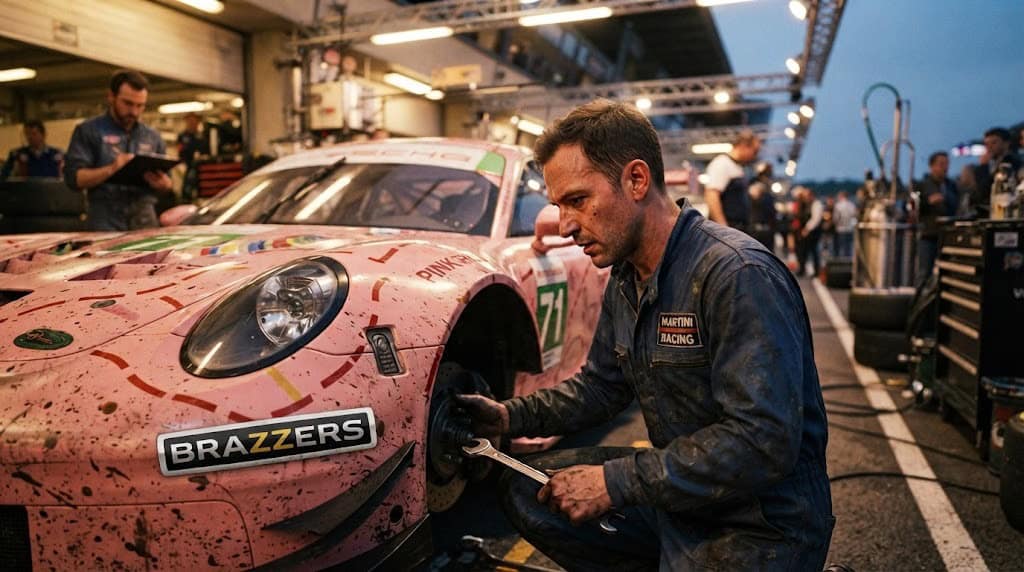
Motorsport has always been fueled by innovation, speed, and sponsorship. From the earliest days of racing, companies have recognized the value of putting their logos on fast cars driven by elite athletes. Some sponsorships have become legendary, helping define entire eras of racing. Others, however, have earned attention for completely different reasons.
Over the decades, racing fans have witnessed partnerships with tobacco companies, alcohol brands, energy drinks, cryptocurrency exchanges, movie studios, and even companies like porno brazzers. While many of these sponsorships generated headlines and boosted brand awareness, they also sparked debates about ethics, advertising regulations, and the image of motorsport.
In this article, we’ll explore some of the wildest racing sponsorships in motorsport history, covering Formula 1, NASCAR, IndyCar, grassroots racing, and other racing disciplines. We’ll also examine why unconventional sponsors—including adult brands that have reportedly approached or been associated with teams or drivers, such as Brazzers—continue to attract attention.
Why Racing Attracts Unusual Sponsors
Motorsport offers something few other sports can match: constant television exposure, high-speed excitement, and a passionate global audience.
Unlike traditional team sports, race cars function as moving billboards. Every lap provides thousands of opportunities for sponsors to display their logos to fans, television viewers, photographers, and social media audiences.
This unique marketing opportunity has attracted brands from virtually every industry, including:
- Automotive manufacturers
- Consumer electronics
- Food and beverage companies
- Financial institutions
- Energy drinks
- Technology startups
- Cryptocurrency companies
- Online gaming businesses
- Adult entertainment companies
The more unconventional the sponsor, the more publicity the partnership often generates.
Formula 1’s History of Controversial Sponsors
Formula 1 has experienced numerous sponsorship controversies throughout its history.
The Tobacco Era
Perhaps the most recognizable controversial sponsors were tobacco companies.
Throughout the 1970s, 1980s, and 1990s, cigarette manufacturers dominated Formula 1. Famous liveries from Marlboro, Camel, Lucky Strike, Benson & Hedges, and Mild Seven became iconic parts of racing history.
These partnerships helped finance teams with enormous budgets but eventually faced increasing restrictions as governments introduced advertising bans on tobacco products.
Even after direct advertising became illegal in many countries, teams experimented with subtle branding techniques that hinted at their former sponsors without explicitly displaying cigarette logos.
Alcohol Sponsorships
Alcohol brands have also maintained a strong presence in Formula 1.
Companies producing whiskey, vodka, champagne, and beer have sponsored teams and races for decades. While generally accepted in many markets, alcohol sponsorship has occasionally drawn criticism because of concerns surrounding responsible drinking and sports marketing.
Cryptocurrency Boom
More recently, Formula 1 embraced cryptocurrency exchanges and blockchain companies.
Several high-profile partnerships collapsed following market downturns, leaving teams scrambling to replace lost sponsorship revenue. These examples demonstrated the risks associated with relying on rapidly emerging industries.
NASCAR’s Most Unexpected Sponsors
NASCAR has always embraced colorful sponsorships.
Unlike Formula 1, where luxury brands often dominate, NASCAR has featured sponsorships from products and services that appeal to mainstream American consumers.
Fans have seen race cars promoting everything from:
- Fast food
- Hardware stores
- Insurance companies
- Convenience stores
- Home improvement retailers
- Beef jerky
- Batteries
- Tool manufacturers
- Online retailers
Some partnerships seemed almost too unusual to believe.
Television Shows and Movies
Entertainment companies have frequently used NASCAR to promote new television series and blockbuster films.
Cars have appeared wrapped in artwork promoting superheroes, animated movies, horror films, and streaming platforms, transforming race weekends into major advertising campaigns.
Internet Companies
During the dot-com boom, many internet startups entered NASCAR with ambitious sponsorship deals.
Not all survived.
Several companies disappeared within a few years, making their race cars interesting snapshots of internet history.
IndyCar and Creative Sponsorship Deals
IndyCar has long relied on corporate partnerships to remain competitive.
While automotive suppliers and telecommunications companies have traditionally dominated, the series has also welcomed unexpected sponsors.
Teams have partnered with:
- Fitness brands
- Online retailers
- Investment firms
- Video game publishers
- Technology startups
- Tourism organizations
Occasionally, local businesses have funded one-off race entries, creating memorable stories for fans.
Grassroots Racing and the Freedom to Be Different
Grassroots motorsport often produces the most unusual sponsorship stories.
Unlike major professional series, local racing typically operates with significantly smaller budgets.
Drivers frequently accept sponsorship from:
- Restaurants
- Auto repair shops
- Tattoo studios
- Roofing companies
- Plumbing businesses
- Local breweries
- Family-owned stores
Some race cars feature dozens of small sponsor logos simply because every contribution helps cover race expenses.
This environment also allows for more creative marketing partnerships that would rarely appear in global championships.
Adult Entertainment Brands in Motorsport
One of the most talked-about categories of unconventional sponsorship involves adult entertainment companies.
Because motorsport depends heavily on sponsorship funding, teams and drivers have occasionally received offers from businesses operating in industries considered controversial.
In some cases, adult websites or production companies have reportedly approached racing teams regarding potential partnerships. These discussions often generate online speculation even when no official sponsorship is finalized.
One example frequently mentioned in motorsport discussions is Brazzers, a well-known adult entertainment brand. Over the years, the company has attracted attention through humorous social media interactions and public expressions of interest in sponsoring athletes or racing personalities. While the brand has been associated with discussions about potential sponsorship opportunities and has sponsored individuals or events in some contexts outside top-tier motorsport, there has not been a long-term, high-profile sponsorship in major series like Formula 1 or NASCAR. Even so, its name is often cited as an example of how adult brands seek publicity by engaging with sports communities online.
The reason these stories attract so much attention is simple: major racing organizations typically maintain commercial standards and broadcasting requirements that make partnerships with adult entertainment companies difficult. Regulations, family-oriented audiences, broadcaster policies, and sponsor compatibility all influence whether such deals are viable.
Why Some Sponsorships Never Become Reality
Not every sponsorship offer results in a signed contract.
Race teams must consider several important factors before accepting financial support.
Series Regulations
Different racing organizations maintain different advertising rules.
Certain industries may face restrictions or outright bans depending on local laws and championship regulations.
Existing Sponsors
Teams often have multiple commercial partners.
Accepting a controversial sponsor could create conflicts with current agreements or discourage future sponsors from joining.
Public Image
Professional racing teams carefully manage their reputations.
A sponsorship that generates headlines may also create unwanted controversy among fans, broadcasters, governing bodies, or business partners.
Cryptocurrency and NFT Sponsorships
Few sponsorship trends rose faster than cryptocurrency.
Between 2020 and 2022, racing teams across Formula 1, NASCAR, IndyCar, Formula E, and endurance racing announced partnerships with crypto exchanges, NFT platforms, and blockchain startups.
Many deals appeared lucrative.
However, following significant downturns in cryptocurrency markets, several companies reduced marketing budgets, entered bankruptcy, or disappeared altogether.
These partnerships became reminders that fast-growing industries can also introduce financial uncertainty.
The Energy Drink Revolution
Energy drink companies transformed motorsport sponsorship.
Brands like Red Bull and Monster Energy evolved far beyond placing logos on race cars.
Instead, they invested directly in:
- Teams
- Drivers
- Racing academies
- Television programming
- Extreme sports
- Esports competitions
Red Bull eventually became one of Formula 1’s most successful constructors, demonstrating how sponsorship can evolve into full ownership and long-term sporting success.
Movie Promotions on Race Cars
Hollywood has frequently partnered with racing teams.
Major film studios recognize that race weekends attract millions of viewers worldwide.
As a result, fans have seen cars promoting:
- James Bond films
- Marvel movies
- Pixar releases
- Action franchises
- Science fiction blockbusters
These partnerships often last only one race weekend but leave lasting memories thanks to unique paint schemes.
Local Businesses That Became Racing Legends
Not every memorable sponsorship comes from a multinational corporation.
Many beloved racing stories involve small businesses supporting local drivers.
Examples include:
- Family diners
- Independent tire shops
- Agricultural suppliers
- Construction companies
- Auto parts retailers
Without these sponsors, countless grassroots racers would never reach the starting grid.
These partnerships highlight the community spirit that remains central to motorsport.
The Marketing Power of Controversy
Why do unusual sponsors pursue motorsport?
The answer is simple: attention.
Controversial sponsorships often generate media coverage far beyond traditional advertising.
Journalists write articles.
Fans debate the partnership online.
Social media amplifies every announcement.
Even people who don’t normally follow racing may hear about an unusual sponsor simply because it breaks expectations.
From a marketing perspective, that additional publicity can significantly increase brand awareness.
However, controversy is a double-edged sword. While it can attract attention, it can also alienate fans, create regulatory challenges, or deter other commercial partners. Teams must weigh the financial benefits against potential reputational risks before entering into unconventional agreements.
How Sponsorship Rules Continue to Evolve
Advertising standards continue changing around the world.
Today’s racing organizations regularly evaluate sponsorship categories based on:
- Government regulations
- Broadcast requirements
- International markets
- Public expectations
- Digital media policies
Industries once considered acceptable—such as tobacco—have largely disappeared from top-level motorsport due to legal restrictions. At the same time, newer categories like esports, technology, sustainable energy, and artificial intelligence companies are becoming increasingly common.
This evolution reflects broader changes in society as much as changes within motorsport itself.
Conclusion
Motorsport sponsorship has never been limited to traditional automotive companies. Throughout racing history, cars have carried the logos of tobacco giants, alcohol brands, internet startups, cryptocurrency exchanges, Hollywood studios, local businesses, and many other unexpected sponsors.
Some partnerships became iconic, while others generated controversy or remained little more than rumors and short-lived discussions. Adult entertainment brands—including companies such as Brazzers—are often referenced in conversations about unconventional sponsorship because they have publicly expressed interest in sports marketing or have been loosely associated with individual athletes and promotional opportunities. However, long-term partnerships with major motorsport teams have remained uncommon due to commercial, regulatory, and reputational considerations.
Ultimately, the wildest racing sponsorships illustrate an important truth about motorsport: success on the track often depends as much on commercial backing as engineering excellence. As advertising trends continue to evolve, fans can expect future sponsorships to reflect emerging industries, changing regulations, and creative marketing strategies—ensuring that the business side of racing remains just as fascinating as the competition itself.