
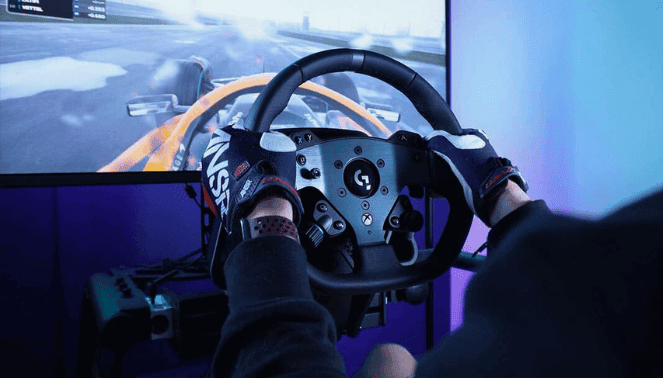
If you’re interested in racing but aren’t ready to hit the real track, sim racing is an exciting and accessible way to dive into the world of motorsports. Whether you’re a gaming fan or just curious, this guide will help you start sim racing with no experience.
Let’s break down everything you need to know, from the basics of equipment to improving your skills.
Introduction to Sim Racing for Beginners
Sim racing, or simulation racing, uses realistic software to mimic real-world driving. Imagine the thrill of speeding down a track from the comfort of your home! Unlike arcade racing games, sim racing focuses on lifelike handling, physics, and driving conditions.
Why Try Sim Racing?
- Realistic Experience: Sim racing replicates the feel of driving a race car, with controls, visuals, and sounds similar to real racing.
- Cost-Effective: Unlike physical racing, sim racing allows you to enjoy motorsports without the expense.
- Skill Development: It’s a great way to sharpen your reaction times and driving skills.
If you’re a total beginner, don’t worry—anyone can start with a few essentials and a bit of practice.
2. Understanding the Basics of Sim Racing
Before diving into sim racing, it’s helpful to know a few key terms and concepts. Here’s a breakdown of the basics:
- Rig: This refers to the setup or frame holding your equipment (e.g., wheel, pedals).
- Force Feedback: A feature in many sim racing wheels that simulates the feel of the car and road. This adds a layer of immersion, making it feel like you’re driving a real car.
- Wheelbase: The part of the wheel that provides force feedback. Different wheelbases vary in power and feedback quality.
- Pedals: Essential for braking and accelerating, pedals vary widely in feel and quality.
The difference between sim racing and arcade racing games mainly lies in realism. Arcade games aim to be fun and accessible, but sim racing prioritizes realism, making each race feel as close to a real-life race as possible.
Essential Equipment to Get Started
You don’t need an elaborate setup to start sim racing. Here’s a look at both the basic and advanced options.
Basic Setup vs. Advanced Setup
- Basic Setup:
- Computer or Console: If you have a gaming PC or a console like Xbox or PlayStation, you’re ready to start. Ensure it can handle the graphics requirements of your chosen game.
- Monitor or TV Screen: A decent screen with good refresh rates (at least 60Hz) will improve visual clarity.
- Gamepad or Controller: While a gamepad won’t feel as realistic as a wheel, it’s a good budget-friendly start.
- Advanced Setup:
- Racing Wheel and Pedals: Investing in a wheel and pedals makes a big difference. Popular brands like Logitech and Thrustmaster offer beginner-friendly models.
- Racing Seat and Rig: To take it to the next level, consider getting a seat or frame to mount your equipment, adding comfort and immersion.
Budget-Friendly vs. Premium Options
- Budget-Friendly Gear: Look into products like the Logitech G29/G920 (compatible with PC and consoles), which provide quality force feedback without breaking the bank.
- Premium Gear: For those who want the ultimate experience, consider brands like Fanatec, which offer high-end wheels and pedals with customizable features and powerful force feedback.
Starting with a basic setup allows you to explore sim racing without overspending, and you can always upgrade as your interest grows.
Choosing the Right Sim Racing Platform and Software
Several sim racing software options cater to beginners and seasoned drivers alike. Here’s a rundown of some popular choices:
- iRacing: Known for its realistic physics and competitive online racing leagues. It’s subscription-based but offers one of the most realistic experiences.
- Assetto Corsa: A great beginner-friendly option with an active modding community. It has realistic handling but is more affordable and accessible.
- rFactor 2: Known for excellent tire physics and an extensive range of vehicles and tracks.
- Gran Turismo Sport (for PlayStation) and Forza Motorsport (for Xbox): Console-based options that are visually stunning and beginner-friendly.
Each platform has its strengths, so consider starting with a beginner-friendly option like Assetto Corsa or Forza Motorsport. They offer realistic driving but with enough accessibility to make learning fun and manageable.
Setting Up Your First Race
Once you’ve chosen your platform, it’s time to set up your first race! Here’s a step-by-step guide:
Step-by-Step Guide to Start Racing
- Install the Software: Download and install your chosen game on your computer or console.
- Adjust Settings: Configure graphics and controls based on your setup. For example, adjust the force feedback on your wheel for realistic resistance.
- Choose a Track and Car: Start with easier tracks and entry-level cars. These will be easier to control and less overwhelming for beginners.
- Practice: Before jumping into a race, spend time in practice mode. This helps you get comfortable with the controls, track layout, and handling.
Optimize In-Game Settings
- Graphics Settings: Lower graphics settings if you’re experiencing lag, as this can impact reaction time.
- Control Settings: Customize wheel and pedal sensitivity to suit your comfort level.
- Camera Angle: Experiment with different camera views to find the one that feels most natural for you.
By taking time to practice and adjust settings, you’ll be more comfortable when it’s time to start racing.
Tips to Improve Your Skills Quickly
Like any new skill, practice and focus are key to improving in sim racing. Here are some tips for building your skills:
- Master the Basics: Focus on accelerating smoothly, braking in time, and handling corners.
- Learn from Experienced Racers: Platforms like YouTube, Twitch, and sim racing forums are great places to find tutorials from experienced racers. Watching their techniques can help you pick up useful strategies.
- Join a Beginner League: Many sim racing communities offer beginner leagues. Racing with others improves your skills and helps you understand racing etiquette.
- Understand Racing Etiquette: Respectful driving is important in sim racing. Avoid bumping into other racers, give space during turns, and be courteous on the track.
Improving quickly in sim racing is all about steady practice and learning from others. Don’t worry if you’re not the fastest initially—accuracy and consistency are more important.
Joining the Sim Racing Community
Connecting with the sim racing community can be incredibly rewarding. Here’s how to get involved:
- Online Leagues: Many games, especially iRacing, offer online leagues where you can race with others in a structured environment. This also gives you a sense of progression.
- Forums and Social Media Groups: Platforms like Reddit, Discord, and specialized forums are excellent places to ask questions, get advice, and meet other sim racers.
- Events and Tournaments: Many communities organize friendly events, tournaments, and casual races. Joining these is a great way to practice while having fun.
The community aspect of sim racing is helpful for beginners, providing support, learning resources, and friends who share your passion.
Upgrading as You Progress
As you become more comfortable and experienced, you may want to enhance your setup for an even more immersive experience. Here’s when and how to upgrade:
- Wheel and Pedals: Consider upgrading to higher-quality wheels and pedals, such as Fanatec or higher-end Thrustmaster models. These offer better force feedback and more accurate pedal response.
- Monitors or VR: Adding multiple monitors or a VR headset can give you a panoramic view of the track, further increasing immersion.
- Sim Racing Rig: If you’re getting serious, invest in a dedicated sim racing rig. It provides a stable setup, reducing wear and tear on your equipment and making the experience more realistic.
Upgrading is optional but can enhance your enjoyment of sim racing, especially if you’re spending a lot of time practicing.
Conclusion
Starting with sim racing is an exciting journey, and you don’t need experience to get involved. By beginning with the basics, choosing the right equipment, and joining the community, you’ll be on your way to enjoying a realistic and thrilling racing experience.
Remember, everyone starts somewhere. Focus on having fun, building skills, and learning along the way. The world of sim racing is waiting—so get out there and hit the virtual track!